Choosing between a petrol car and a diesel car has always been one of the biggest questions for Australian buyers. Both fuel types come with their advantages, and both suit different kinds of driving. The challenge is knowing which one is right for your lifestyle, your budget, and how you plan to use the car long term.
This guide breaks it all down in simple words so you can make a confident choice without getting lost in technical talk.
What’s the Basic Difference?
Before diving into what’s better, let’s make the difference clear.
Petrol engines
- Run smoother and quieter
- Make quick power, great for city driving
- Usually costs less to buy
- Use more fuel in long highway drives
Diesel engines
- Built for long-distance and heavy loads
- Offers great torque, meaning more pulling strength
- Use less fuel on highways
- Usually cost more upfront
- Repairs can be pricier
Now, let’s break down when each type actually makes sense.
When is a Petrol Car the Better Choice?
A petrol car suits people who drive shorter distances, spend more time in the city, or want something simple to maintain. Here’s when petrol usually works better:
1. Short Daily Commutes
If your typical drive is school runs, office commutes, shopping trips, or general city driving, petrol is usually the sensible pick. Petrol cars warm up faster and don’t need long runs to stay healthy.
2. You want Quieter Performance
Petrol engines tend to run smoother. They don’t vibrate as much as diesel engines, which makes a big difference if you prefer a calm and quiet ride.
3. Lower Buying Cost Matters
Petrol versions of the same model are usually cheaper than diesel. So if your budget is tight and you want more options, petrol gives you more choices without compromising on day-to-day driving.
4. Cheaper Servicing
Diesel engines are built tougher, but when something does go wrong, repairs cost more. Petrol engines generally have simpler servicing needs, and parts are easier to source. Even used petrol cars come with cheaper servicing compared to diesel.
Quick reasons to choose petrol
- You mostly drive in the city
- You don’t rack up long kilometres
- You want a lower upfront cost
- You prefer a smooth, quiet ride
- You don’t need a car for towing or heavy loads
When is a Diesel Car the Better Choice?
Diesel isn’t for everyone, but it’s perfect for the right kind of driver. If you drive long distances or need a car that can handle serious work, diesel might save you money in the long run.
1. You Travel Long Distances Often
Diesel engines are built for efficiency on highways. They use less fuel during long runs, which means fewer stops and lower running costs.
If you travel between cities, visit regional areas, or regularly spend time on open roads, diesel pays off.
2. You Need Pulling Power
Diesel engines produce more torque. This matters if you:
- Tow a trailer
- Pull a caravan
- Drive a ute for work
- Carry heavy loads
That extra strength makes the drive smoother and safer.
3. Better Fuel Economy
Diesel fuel usually takes you further per litre. Even though diesel cars cost more upfront, many owners make that money back through savings on fuel.
4. More Durable for Heavy Use
Diesel engines are built to handle pressure for long periods. If you are a tradie, travel a lot, or need a dependable workhorse, diesel makes a huge difference.
Quick reasons to choose diesel
- You drive long distances every week
- Fuel savings matter
- You need towing strength
- You want a long-lasting engine
- You drive a ute or large SUV
The True Cost Difference: Upfront vs Long-term
People often compare petrol and diesel only based on fuel economy, but there’s more to it.
Petrol
- Lower buying cost
- Cheaper servicing
- Higher fuel use
Diesel
- Higher buying cost
- More expensive repairs
- Lower fuel use
- Better resale value for utes and SUVs
If you don’t drive a lot, the extra money you spend upfront on diesel may not return the savings you expect. But if you drive heavy kilometres, diesel usually wins financially.
Petrol vs diesel for city driving
City drivers deal with:
- Traffic
- Short trips
- Frequent stops
- Lower average speeds
Diesel engines don’t love this pattern because they need longer drives to stay in good condition. A petrol car works much better for this lifestyle.
Verdict for city driving
Petrol wins.
Petrol vs diesel for highway driving
Highway driving is where diesel shines.
You:
- Use less fuel
- Enjoy strong pulling power
- Get smooth cruising even with weight onboard
Verdict for highway driving
Diesel wins.
Petrol vs diesel for Utes and SUVs
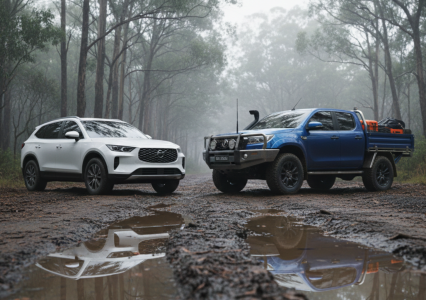
If you’re buying a ute or large SUV, diesel still dominates the market. Australian roads, camping culture, and towing needs all make diesel a natural match.
Verdict for Utes and large SUVs
Diesel wins for capability. Petrol wins for low maintenance if you don’t tow.
Petrol vs diesel: Which lasts longer?
Diesel engines generally last longer because of their tougher build. But they also require proper servicing. A diesel with poor maintenance becomes expensive quickly.
Petrol cars may not match diesel in raw durability, but they remain easier and cheaper to maintain long term.
So which one should you choose?
It depends on your lifestyle:
Choose Petrol if:
- You mostly drive short distances
- You want a quieter and smoother ride
- You prefer a cheaper buying price
- You don’t tow or carry heavy loads
Choose Diesel if:
- You drive long distances weekly
- You want the best fuel economy
- You need towing strength
- You prefer a tougher engine for heavy work
Final Thoughts
Both petrol and diesel cars offer strong value. What matters most is how you drive and what you need the car to do. There’s no single right answer for everyone.If you are currently exploring options, you can check a wide range of petrol and diesel used cars at My Car Choice, giving you plenty to compare before you decide what suits your lifestyle best.